

2026 Hyundai Tucson vs 2026 Toyota RAV4: Why the Tucson Stands Out
2026 Hyundai Tucson vs 2026 Toyota RAV4: Why the Tucson Stands Out
Posted on December 4, 2025
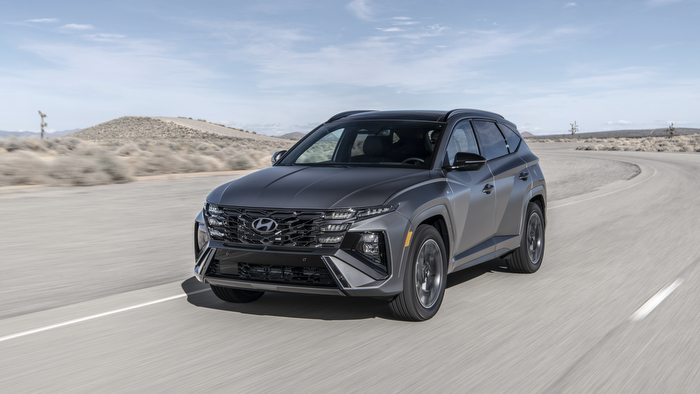
The compact SUV segment continues to evolve, and two standout contenders for families across British Columbia are the 2026 Hyundai Tucson and the 2026 Toyota RAV4. Both vehicles offer all-wheel drive, advanced safety features, and electrified powertrains - but the Tucson takes a distinct approach to delivering value and versatility. If you're weighing your options, Hyundai's compact SUV brings advantages that deserve a closer look.
Here's how the 2026 Tucson distinguishes itself from the RAV4, focusing on three key areas where it delivers standout value for drivers in British Columbia.
Standard All-Wheel Drive Across the Lineup
Both the 2026 Hyundai Tucson and 2026 Toyota RAV4 come standard with all-wheel drive in Canada, ensuring confident handling across varied road conditions. The Tucson's HTRAC All-Wheel Drive system is engineered to adapt dynamically to driving conditions, with multi-terrain control modes for Snow, Mud, and Sand available across all trims. This feature allows drivers to optimize traction and stability based on the terrain, whether navigating winter roads or exploring unpaved trails.
The RAV4 also offers AWD as standard, which enhances traction and control. Both systems provide the capability drivers in British Columbia need for year-round confidence, but the Tucson's explicit multi-terrain modes give drivers more direct control over how their vehicle responds to specific conditions.
Powertrain Variety and Performance
The 2026 Tucson offers three distinct powertrain options, giving buyers flexibility based on their priorities. The base Preferred trim features a 2.5 L 4-cylinder engine producing 187 hp and 178 lb-ft of torque, paired with an 8-speed automatic transmission. For those seeking enhanced efficiency, the N Line and top-tier trims come standard with a 1.6 L turbo hybrid powertrain delivering a combined 231 hp and 271 lb-ft of torque. The top trim also offers an optional 1.6 L turbo plug-in hybrid system, which boosts combined output to 268 hp and provides an all-electric range of 51 km.
The 2026 RAV4 takes a fully electrified approach, offering only hybrid and plug-in hybrid powertrains. The standard hybrid system produces 236 combined system hp, while the plug-in hybrid variant delivers up to 320 hp and an estimated 80 km all-electric range. Toyota's fifth-generation hybrid technology emphasizes efficiency and output.
Powertrain Highlights:
2026 Hyundai Tucson:
- 5 L Gas: 187 hp / 178 lb-ft
- 6 L Turbo Hybrid: 231 hp / 271 lb-ft (combined)
- 6 L Turbo PHEV: 268 hp / 271 lb-ft (combined), 51 km all-electric range
2026 Toyota RAV4:
- 5 L Hybrid: 236 hp (combined)
- 5 L PHEV: Up to 320 hp (combined), 80 km estimated all-electric range
For buyers who prioritize maximum power and extended electric range, the RAV4 PHEV offers a performance advantage. However, the Tucson's diverse powertrain lineup provides more entry points, including a traditional gasoline option for those who prefer simplicity or want to avoid the higher cost typically associated with electrified models.
Interior Refinement and Technology
Inside, the 2026 Tucson emphasizes modern design and thoughtful features across its trim levels. The base Preferred trim includes a 12.3-inch infotainment touchscreen, wireless Apple CarPlay and Android Auto, heated front seats, and a heated leather-wrapped steering wheel. The digital gauge cluster measures 4.2 inches on the Preferred trim, upgrading to a 12.3-inch digital display on the Preferred with Trend Package and above. Higher trims add premium touches like a panoramic sunroof, Bose 8-speaker audio system, ventilated front seats, and a head-up display.
The 2026 RAV4 also delivers strong technology integration. The base LE trim features a 10.5-inch touchscreen, a 12.3-inch multi-information display, heated front seats, and LED headlights. Upper trims like the Limited and XSE Technology Package add a larger 12.9-inch touchscreen, JBL 9-speaker audio, a panoramic moonroof, and a head-up display. The RAV4's new Toyota Multimedia system includes 5G connectivity and integrated navigation on select trims.
Both vehicles offer comprehensive safety suites. The Tucson includes Forward Collision-Avoidance Assist, Lane Following Assist, Blind-Spot Collision Warning, and Smart Cruise Control with Stop & Go as standard. The top trim adds Highway Driving Assist, Blind View Monitor, and Surround View Monitor. The RAV4 counters with Toyota Safety Sense 4.0, featuring Pre-Collision System, Lane Tracing Assist, Blind Spot Monitor, and Adaptive Cruise Control across all grades.
Interior & Technology Comparison:
| Feature | 2026 Hyundai Tucson | 2026 Toyota RAV4 |
| Base Infotainment Screen | 12.3" | 10.5" |
| Digital Cluster (Base) | 4.2" Colour | 12.3" |
| Heated Front Seats | Standard (All Trims) | Standard (All Trims) |
| Panoramic Sunroof | Preferred w/ Trend and above | XLE Premium and above |
| Premium Audio | Bose 8-speaker (N Line+) | JBL 9-speaker (Limited+) |
The Tucson's standard 12.3-inch infotainment screen on the base trim provides a larger display from the outset, while the RAV4 offers a more advanced digital cluster on its entry-level model. Both approaches reflect different priorities, with the Tucson emphasizing immediate screen size and the RAV4 focusing on driver information integration.
Fuel Efficiency and Real-World Practicality
Fuel economy is a critical consideration for compact SUV buyers, and both vehicles deliver competitive efficiency. The 2026 Tucson's 2.5 L gasoline model achieves 9.7 L/100 km city, 7.7 L/100 km highway, and 8.8 L/100 km combined. The 1.6 L turbo hybrid improves to 6.7 L/100 km across all driving conditions, while the plug-in hybrid achieves 6.7 L/100 km in hybrid mode and 3.1 Le/100 km in electric-only mode.
The 2026 RAV4's hybrid system delivers 5.1 L/100 km city, 6.0 L/100 km highway, and 5.5 L/100 km combined for the LE grade, with slight variations across trims. The Woodland grade, with its all-terrain tires and rugged design, achieves 5.7 L/100 km city, 6.7 L/100 km highway, and 6.2 L/100 km combined.
Fuel Economy Comparison:
| Powertrain | 2026 Hyundai Tucson | 2026 Toyota RAV4 |
| Base Gas/Hybrid | 8.8 L/100 km (Gas) | 5.5 L/100 km (LE Hybrid) |
| Hybrid | 6.7 L/100 km (HEV) | 5.5 - 5.8 L/100 km (varies by grade) |
| PHEV | 6.7 / 3.1 Le/100 km | N/A |
The RAV4's hybrid system demonstrates a clear efficiency advantage over the Tucson's gasoline and hybrid options. However, the Tucson's plug-in hybrid offers the flexibility of electric-only driving for short commutes, which can reduce fuel costs for drivers with access to charging infrastructure.
Which Compact SUV is Right for You?
The 2026 Hyundai Tucson and 2026 Toyota RAV4 both deliver strong value in the compact SUV segment, but they cater to different priorities. The Tucson offers greater powertrain variety, a standard large infotainment screen, and explicit multi-terrain control modes, making it an appealing choice for drivers who want flexibility and modern features. The RAV4 counters with superior hybrid fuel economy, higher plug-in hybrid output, and Toyota's reputation for long-term reliability.
For families in British Columbia seeking a versatile, feature-rich compact SUV with multiple powertrain options, the 2026 Hyundai Tucson is the natural choice. Its combination of standard technology, available plug-in hybrid capability, and adaptable all-wheel drive system make it a strong contender in this competitive segment.
Experience the 2026 Hyundai Tucson
The 2026 Tucson is ready to deliver the versatility, technology, and performance drivers across British Columbia expect from a modern compact SUV. Visit our team at Northland Hyundai to explore the full lineup and find which trim and powertrain best fit your lifestyle.