

2026 Hyundai Warranty Guide and Maintenance Schedule
2026 Hyundai Warranty Guide and Maintenance Schedule
Posted on March 27, 2026
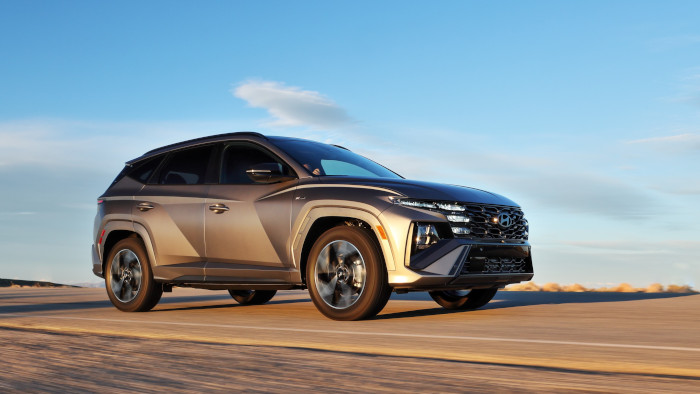
Hyundai's warranty and maintenance programs are designed to protect your investment and keep your vehicle running smoothly for years. Understanding what's covered and when service is due helps you plan ahead and avoid surprises. This guide walks through Hyundai's warranty structure, recommended maintenance intervals, and what you need to know to keep your coverage active.
Hyundai backs its vehicles with one of the most comprehensive warranty packages in the industry. Knowing what each warranty covers and how long it lasts helps you make the most of your ownership experience.
What Hyundai's Warranty Covers
The comprehensive warranty covers most vehicle components, including engine, transmission, electrical systems, suspension, steering, brakes, and climate control. If a covered part fails due to a manufacturing defect, Hyundai repairs or replaces it at no cost.
The powertrain warranty extends coverage for engine, transmission, and drivetrain components.
Corrosion protection protects against rust-through perforation of body panels. Surface rust isn't covered, but structural rust that creates holes in the metal is.
For hybrid and electric vehicles, Hyundai extends battery coverage. If the battery's capacity drops below a specified threshold, Hyundai will repair or replace it.
All warranties are transferable to subsequent owners, increasing resale value and buyer confidence.
Maintenance Schedule Overview
Following Hyundai's recommended maintenance schedule keeps your warranty valid and your vehicle running efficiently. Hyundai divides maintenance into normal and severe driving conditions. Most Canadian drivers fall into the severe category due to frequent short trips, cold weather, and stop-and-go traffic.
Oil changes are recommended under normal and severe conditions. Using the correct oil specification is critical.
Tire rotations promote even wear and extend tire life.
Brake inspections are recommended regularly. In northern climates, salt exposure accelerates corrosion, so more frequent inspections may be necessary.
Cabin and engine air filter replacement is recommended under normal and severe conditions.
Coolant replacement is required according to your owner's manual.
Transmission fluid should be inspected regularly and replaced according to your owner's manual. Some Hyundai transmissions use lifetime fluid, while others require periodic changes.
Spark plugs are replaced according to your engine type and owner's manual.
Battery testing is recommended annually after the first three years. Cold weather degrades battery capacity, and proactive testing prevents unexpected failures.
What Voids Your Warranty
Skipping scheduled maintenance is the most common way to void warranty coverage. Keep all service records and receipts as proof of maintenance.
Using non-approved fluids or parts can void coverage for related components. Hyundai specifies oil grades, coolant types, and other fluids for a reason.
Modifications that affect vehicle performance or safety can void warranty coverage. Aftermarket exhaust systems, suspension modifications, and engine tuning may void coverage for related systems. Check with your dealer before modifying your vehicle.
Off-road use beyond what the vehicle is designed for, racing or competitive driving, and neglect or abuse all void coverage.
Spring Maintenance Checklist
Spring is ideal for inspecting your Hyundai after winter. Cold temperatures, road salt, and freeze-thaw cycles take a toll on components.
Tire pressure drops in cold weather and should be recalibrated to the manufacturer's recommended PSI. Check the sticker on the driver's door jamb.
Wiper blades that survived winter may be worn. Replace them before spring rain arrives.
Brake inspection is critical after winter. Salt and moisture corrode brake components.
Fluid top-up should include coolant, brake fluid, windshield washer fluid (switch to summer formula), and power steering fluid.
Cabin air filter gets clogged with winter debris. Replace it if needed.
Underbody wash removes salt and road grime that cause corrosion.
Wheel alignment should be checked if you hit potholes or curbs during winter.
Why Dealer Service Matters
While independent shops can perform routine maintenance, using a Hyundai dealer has advantages. Dealer technicians are trained specifically on Hyundai vehicles and have access to factory service bulletins, diagnostic tools, and genuine parts. They document all service in Hyundai's system, creating a permanent record that follows the vehicle and can increase resale value.
Dealer service ensures warranty-required maintenance is performed to Hyundai's specifications. Having a complete dealer service history eliminates questions about whether maintenance was done correctly if a warranty claim arises.
Genuine Hyundai parts are designed and tested for your specific model. Using genuine parts during the warranty period protects your coverage.
Keeping Your Hyundai Protected
Hyundai's warranty and maintenance programs give you confidence in your vehicle. Following the recommended service schedule, using approved fluids and parts, and addressing wear proactively keeps your coverage active and your vehicle running smoothly. Spring is the right time to inspect your Hyundai after winter and prepare it for the months ahead.
If you're due for service or want to confirm your warranty coverage, Northland Hyundai in Prince George can help. Our service team can walk you through your vehicle's maintenance schedule, answer questions about your warranty, and handle everything from oil changes to major repairs. Book an appointment online or stop by - we'll make sure your Hyundai stays protected.