

Understanding the 2026 Canadian EV Rebate: What Hyundai Buyers Need to Know
Understanding the 2026 Canadian EV Rebate: What Hyundai Buyers Need to Know
Posted on March 17, 2026
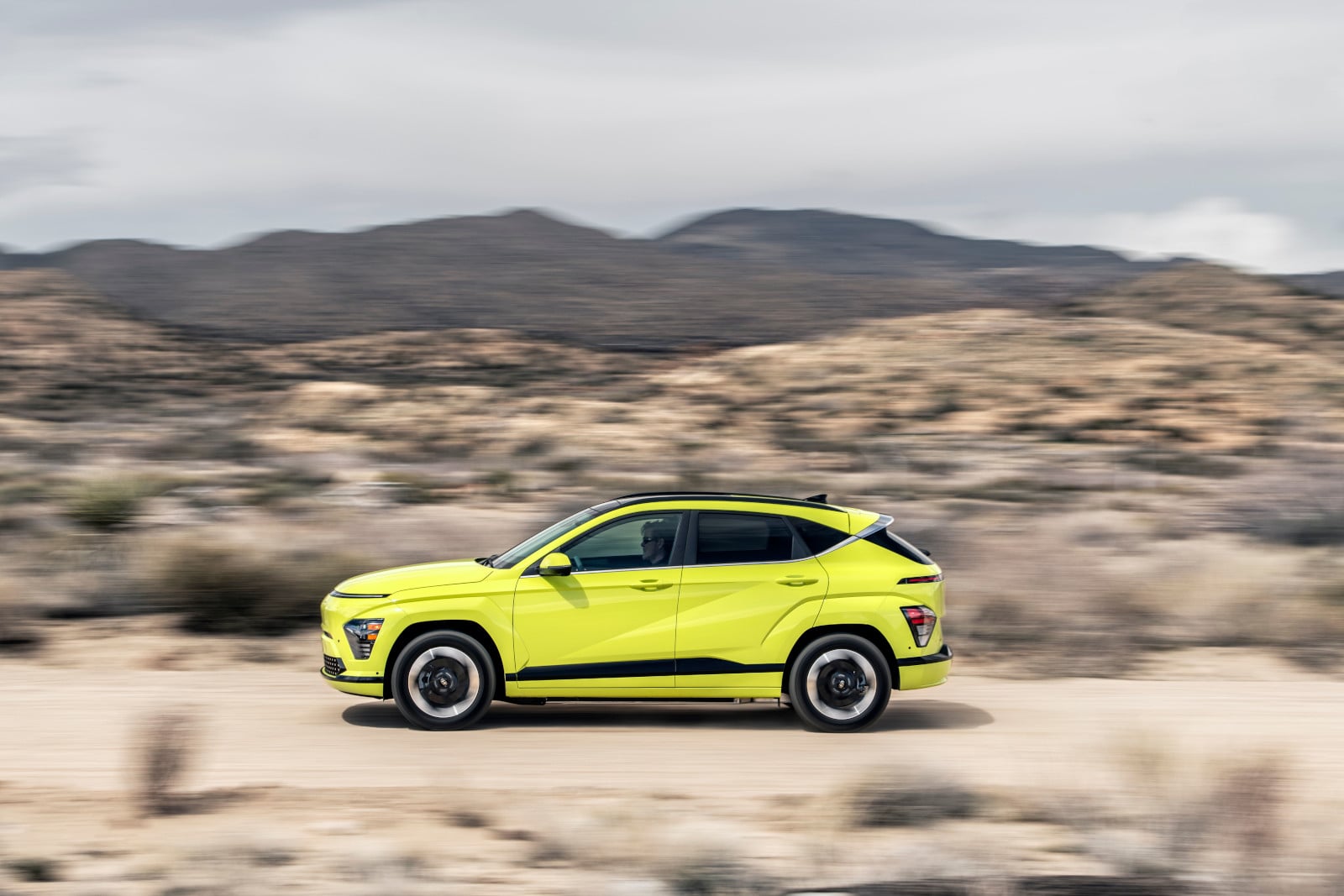
For Hyundai shoppers, this program opens doors to electrified models across different price points and vehicle categories. Understanding which models qualify and how the program works can translate to significant savings at the point of sale.
How the Electric Vehicle Affordability Program Works
EVAP operates differently from the previous iZEV program. The critical threshold is a final transaction value of $50,000 or less. This means the base price plus all options, packages, and dealer-installed accessories must stay under that cap to qualify for the federal incentive. Winter tires are excluded from this calculation, but premium paint, technology packages, and trim upgrades all count toward the total.
Canadian-made electric vehicles face no transaction value limit, though none of Hyundai's current EVs are assembled domestically. The incentive structure follows a declining schedule: $5,000 for battery-electric vehicles in 2026, dropping to $4,000 in 2027, $3,000 in 2028-2029, and $2,000 in 2030. Plug-in hybrids receive half those amounts at each stage.
Individuals can claim one EVAP incentive over the program's five-year lifespan, while businesses qualify for up to 10 vehicles. The incentive applies directly at the dealership during purchase or lease, reducing the amount financed rather than requiring a later rebate claim. Only authorized dealerships can submit applications on behalf of buyers, who must sign a Consumer Consent Form to authorize the process.
Kona Electric
The Kona Electric offers Hyundai's entry point into the EV market. According to the official EVAP Vehicle List, three Kona Electric configurations qualify for the full $5,000 federal incentive:
- Kona Electric Preferred
- Kona Electric Preferred with Trend Package
- Kona Electric Preferred with top Package
All three trims feature battery-electric powertrains with no combustion engine component, meeting the criteria for the higher incentive tier. The Kona Electric delivers practical range for daily commuting and weekend trips while staying within the transaction value threshold that makes federal savings accessible.
IONIQ 5
The 2026 IONIQ 5 is built on Hyundai’s E-GMP platform with an 84.0 kWh lithium-ion battery and ultra-fast 800V/350 kW charging capability. The Preferred Long Range RWD features a 168 kW single electric motor producing 225 horsepower, while the Preferred Long Range AWD adds a front motor for 320 horsepower combined output. The IONIQ 5 does not currently appear on Transport Canada’s EVAP Vehicle List. However, the program allows unlisted vehicles to qualify if the final transaction value stays at or below $50,000. Buyers should work with Northland Hyundai to calculate the final transaction value on their preferred IONIQ 5 configuration before assuming eligibility.
IONIQ 9
The all-new IONIQ 9 three-row SUV presents a different eligibility picture. With a starting price of $59,999 for the Essential RWD trim, it exceeds the $50,000 transaction value threshold and does not qualify for the federal EVAP incentive. The Preferred AWD at $64,999 and higher trims are similarly above the cap.
The IONIQ 9 delivers substantial value in the three-row electric SUV segment, but buyers should plan their purchase without federal EVAP support. The vehicle's spacious interior, advanced technology, and zero-emission driving remain strong attributes even without the incentive.
How to Claim Your EVAP Incentive
The claiming process begins at the dealership. When you've selected a qualifying vehicle with a final transaction value of $50,000 or less, the dealer submits an Eligibility Assessment to Transport Canada through the online portal. You'll sign a Consumer Consent Form authorizing this submission.
Once Transport Canada approves the application (valid for 90 days), the incentive applies directly to your purchase or lease agreement after taxes and fees. This means you receive the savings immediately rather than waiting for a rebate cheque. The dealer handles all paperwork and coordination with the federal program.
Transactions initiated before February 16, 2026, do not qualify regardless of delivery date. The incentive amount you receive is based on when the dealer submits the assessment, not when you take delivery, so timing matters as the program's incentive levels decline annually.
The Bottom Line
EVAP makes electric driving more accessible for Hyundai buyers, particularly those considering the Kona Electric. The focus on final transaction value rather than MSRP means careful configuration matters - premium packages or extensive options can push a qualifying model over the threshold. Canadian-made EVs enjoy unlimited transaction values, but Hyundai's current lineup doesn't benefit from this provision.
The program runs through March 2031, though incentive amounts decrease over time and funding operates on a first-come, first-served basis. The highest incentive amounts are available now, with the full $5,000 incentive remains available in 2026.